Eco Church
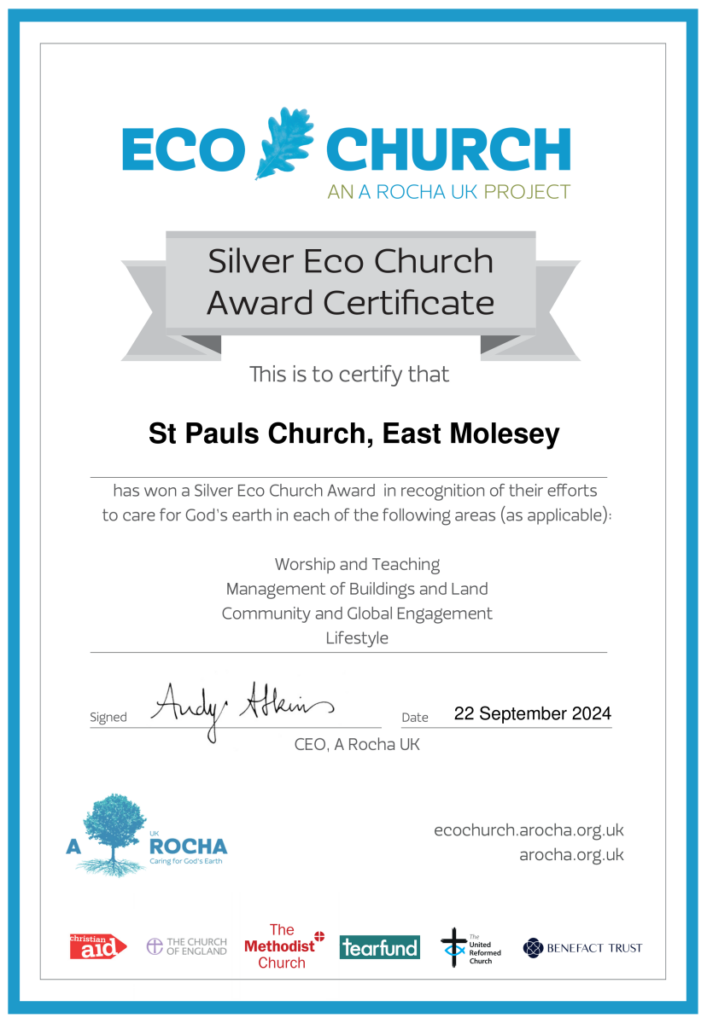
St Paul’s is proud to be an ‘Eco Church’. We currently have our Silver accreditation and are working toward achieving Gold status.
GOING FOR GOLD!
In the Autumn of 2025 we embarked on the next stage of our Eco Church journey – GOING FOR GOLD! We will follow the A Rocha guidelines given in the Eco Church surveys as a structure for our campaign of action, which emphasise the role of Creation Care as an integral part of our Christian worship and discipleship.
The Eco Church objectives are divided into 5 broad categories:
Worship and Teaching; Buildings; Land & Nature; Community & Global; Lifestyle.
The requirements for achieving Gold Status as an Eco Church are demanding and long-term and we would envisage this next stage of our journey taking several years, with a view to preparing the church for its Gold Award by Autumn 2029. The Diocese of Guildford would like all churches to be reaching ‘net zero’ by 2030 and this is to be one of our aims!
St Paul’s Land Management Strategy
In November 2023, the Eco Church met and agreed to put together this report outlining the church’s ambitions for using and maintaining our church land so as to encourage its sustainability and environmental health. Our aim is to use the land around the church, and the Vicarage garden, to communicate and celebrate the church’s history and heritage; provide for human rest and recreation; encourage wildlife and pollinators by safeguarding natural habitats and nurturing a wide variety of plants and trees in well-nourished soil.
Heritage & History:
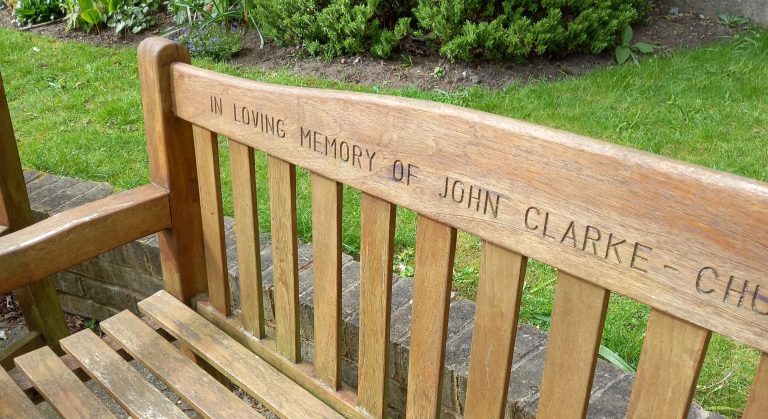
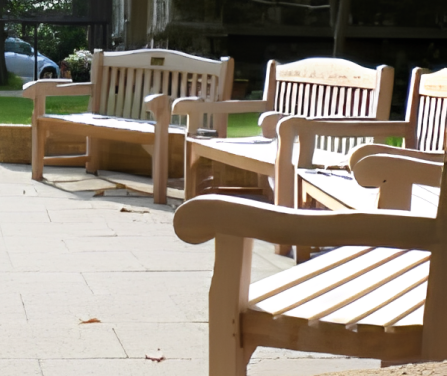
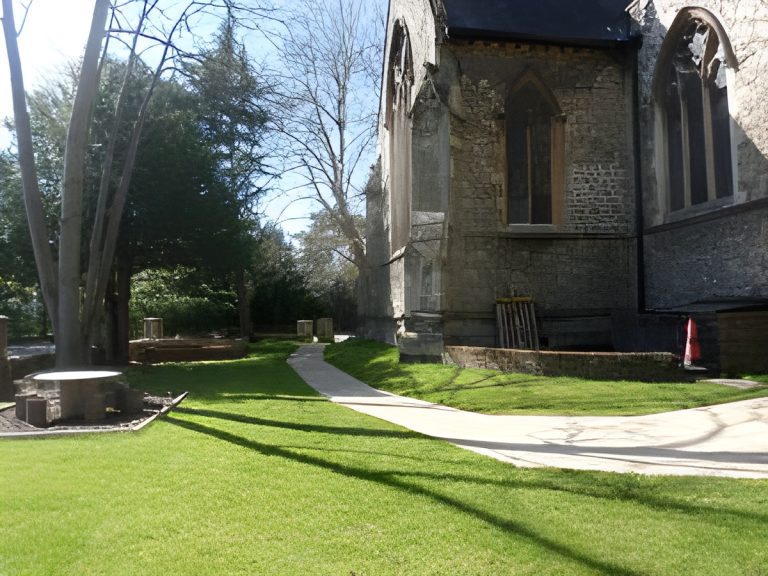
St Paul’s Church is surrounded by a pleasant garden. The completion of the final phase of the original church building is marked on a foundation stone laid in 1887 by Her Royal Highness the Princess Frederica, second cousin of Queen Victoria. This can be seen at the base of the tower. The churchyard wall around the garden was completed in 1885. St Paul’s has never had a graveyard in its grounds, but instead provides a place where memories of valued past church members can be marked by trees or on benches.

Planting:
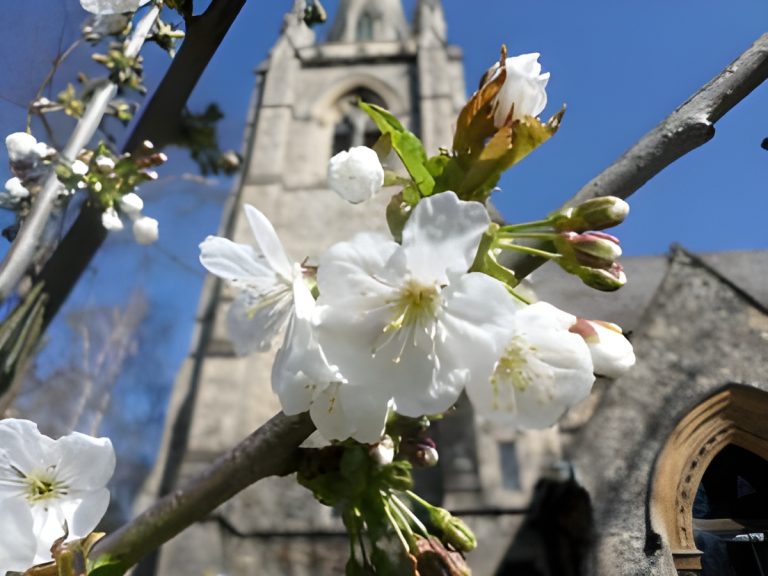
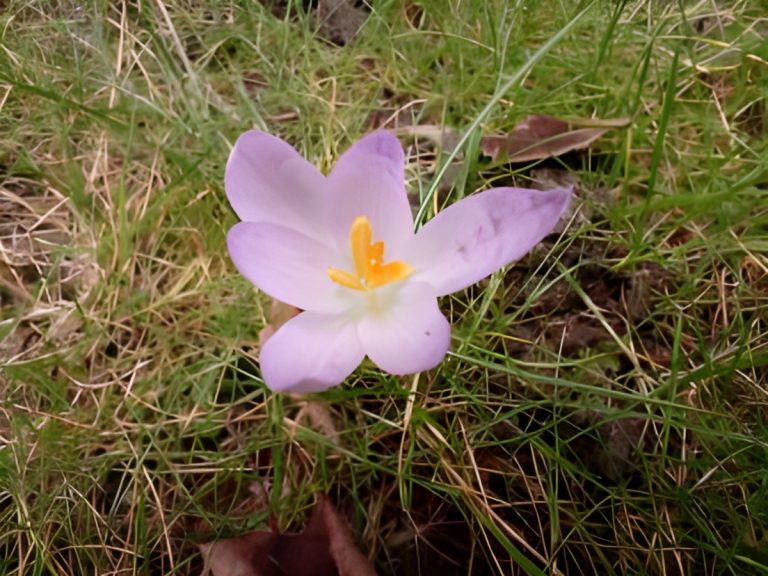
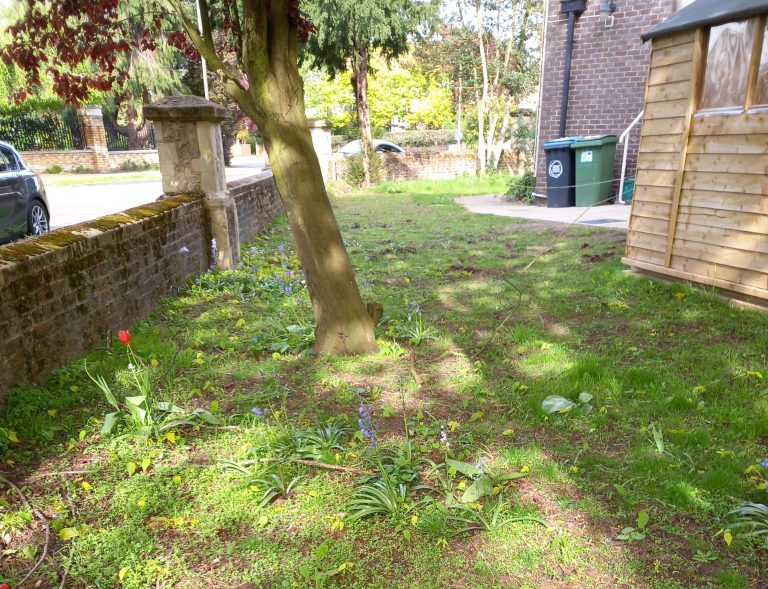
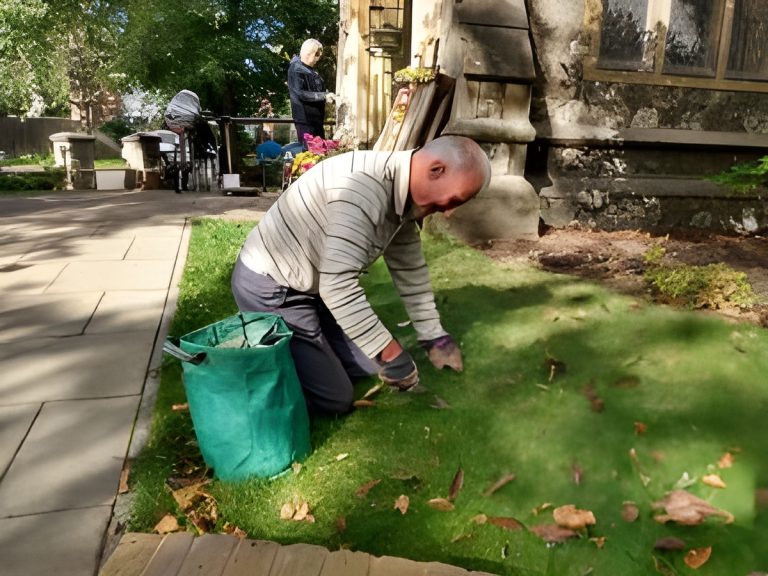
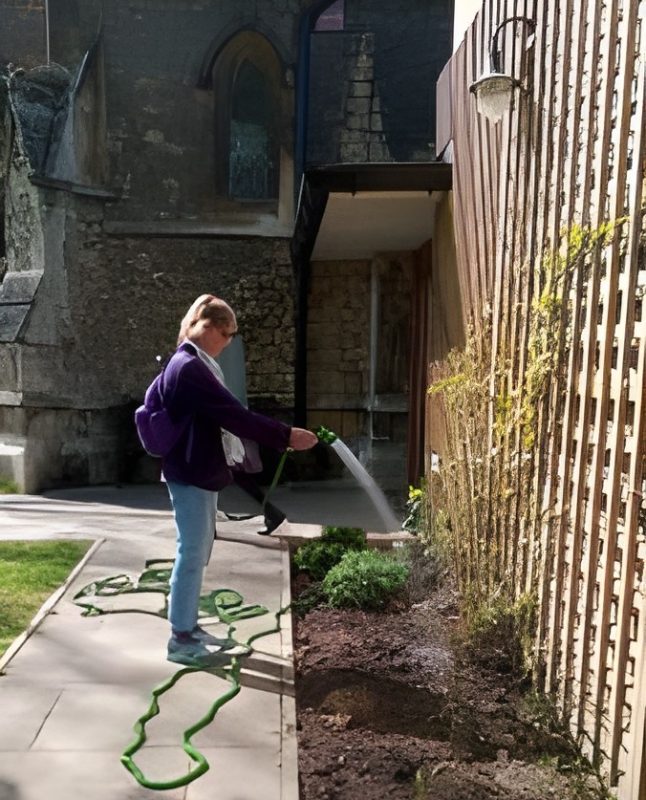
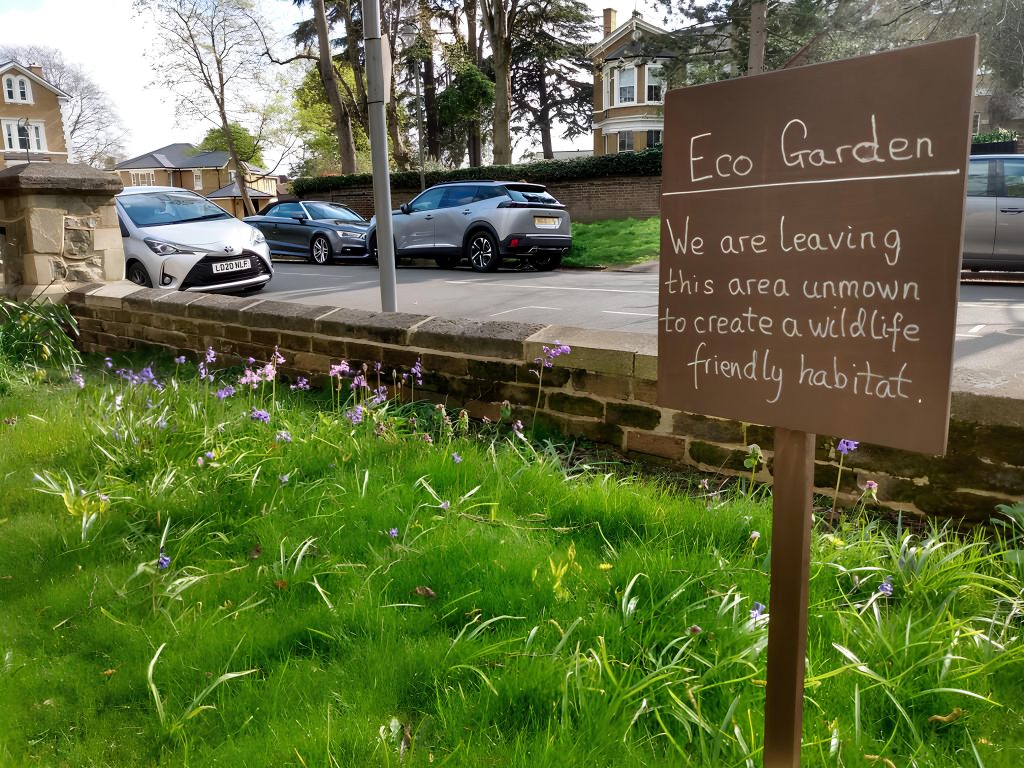
The garden was laid out in its current format in 2019 to retain the mature trees and provide flower borders using successional planting and lawned areas suitable for social events. The flower borders are maintained by a team of church volunteers who weed, water and mulch using our own compost. Most of the lawns are mown regularly during the growing season, but strips of land are left unmown on the North and West side of the building to provide habitats for pollinators. A small wildflower meadow was sown in the place of turf in Spring 2024 and we look forward to seeing the results.
Land Maintenance:
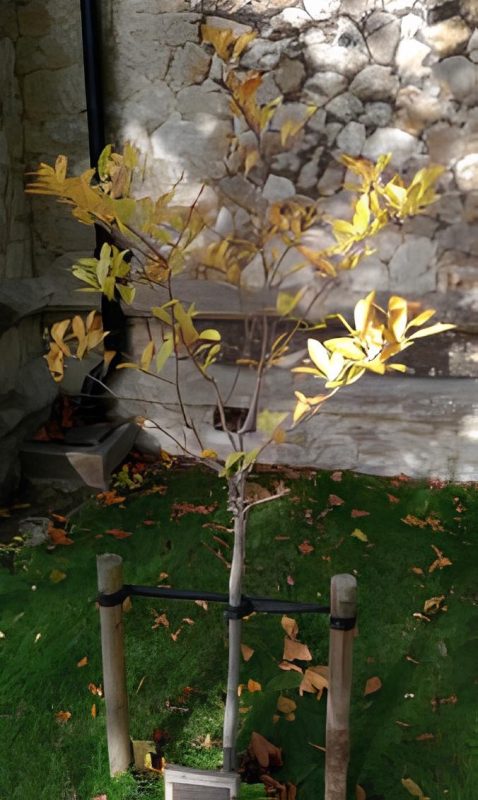
The church gardens contain trees which range from newly planted to mature specimens. This affords a range of diversity in terms of amenity as well as providing a valuable habitat for wildlife. The London Plane at the front of the church is a particularly fine specimen and very prominent within the garden whereas other trees such as the Limes near the church entrance and the Horse Chestnut and Holly at the rear provide nesting sites and valuable food sources. The church has a legal duty to ensure that the trees are maintained in a safe condition, however, we aim to keep tree works to a minimum where possible. The church uses professional tree surgeons to check the trees on a regular basis, assessing their condition and safety and advising the church on any works required. The church continues to consider and evaluate the planting of new trees when appropriate and according to availability of space.


Wildlife:
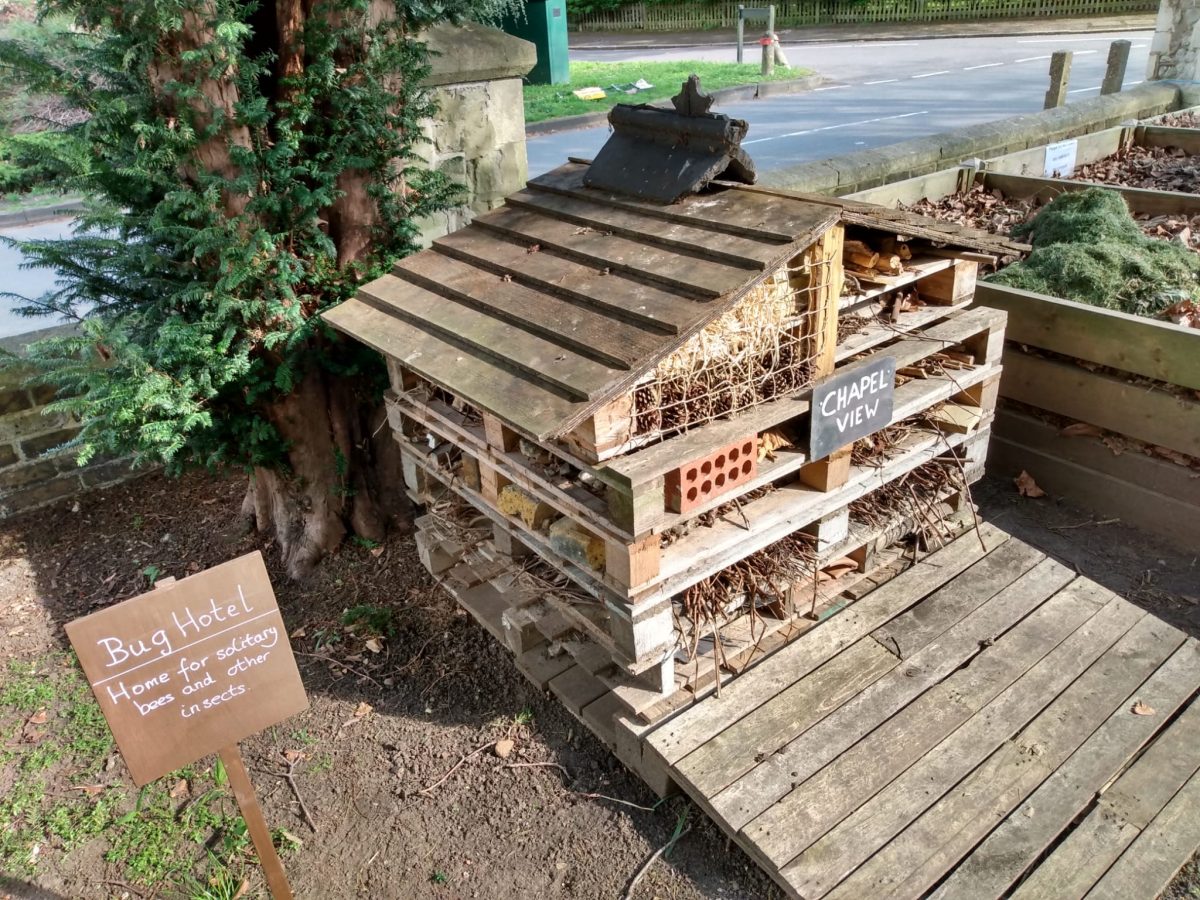
An informal survey was undertaken during Winter 2023/24 to identify any wildlife living in the church grounds. Various habitats were surveyed including: lawns; compost heaps; the bug hotel; unmown grass; flower beds; leaf piles; dead wood; the trellis and inside the tower where overwintering spiders and ladybirds were found.
A repeat survey will be undertaken in summer 2024 and there is the potential for a light box trap to be set up one evening to record moths which might be present in the church garden. A trail camera was set up over a few nights in Autumn 2023, which captured the presence of squirrels, magpies and a fox. The church’s location on a traffic island surrounded by roads makes it an unsuitable area for hedgehogs, so disappointment was mixed with relief at the absence of these on the camera footage! However, a hedgehog house has been built and installed in the back garden of the Vicarage. A number of initiatives have been undertaken to attract more wildlife to the church grounds. As well as unmown lawn strips and a wildflower garden, three nesting boxes have been positioned in trees and we are planning to install supervised bird feeders.
Human Engagement:
The church garden at St Paul’s draws in people from the wider community who pass by on walks to the river or station or who choose to sit and rest a while on our church memorial benches. It is also used for church outdoor events, wedding photographs and children’s games and activities during our children and toddler groups. In Summer 2023 we conducted an online survey of the views of our church garden users. We asked them about the purpose of their visit; the regularity of their visits to our garden and asked what they would like to see or use in the garden, that is currently missing. Many found the garden to be a quiet oasis. Some asked for more information about the history and heritage of the church to be displayed and more labels on the plants, as well as a litter bin and refreshments! We will address some of these additions during 2024.
St Paul’s Eco-Weekend 2024
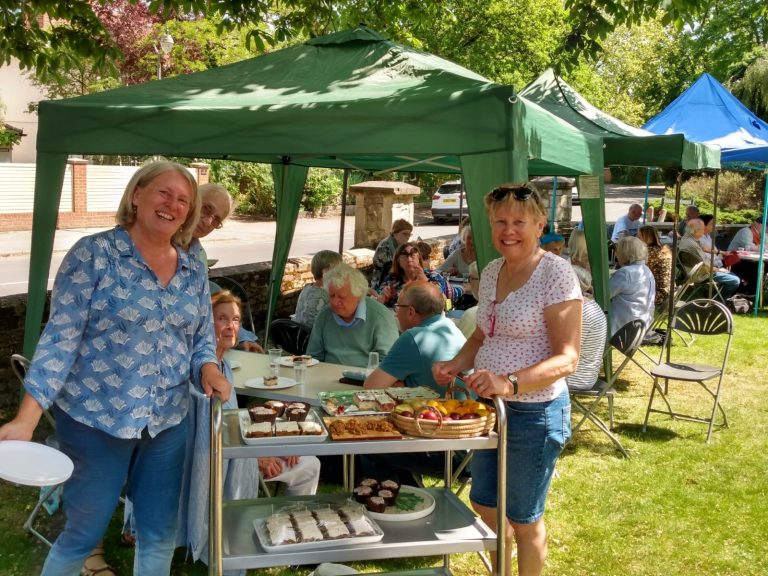
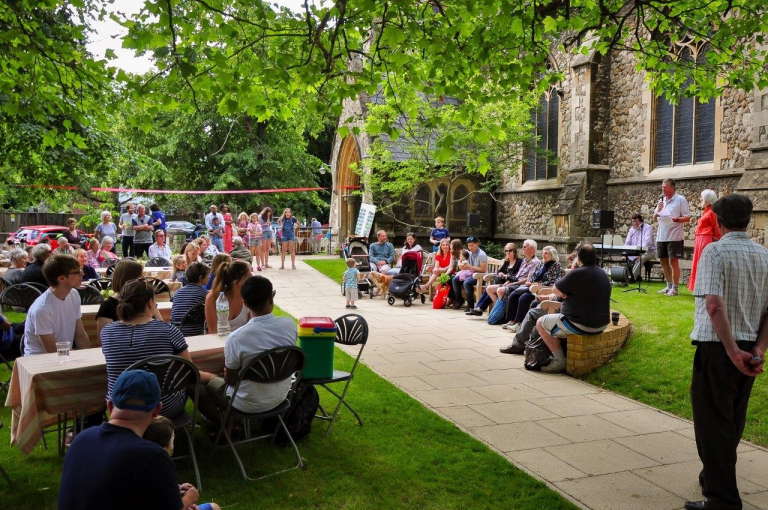
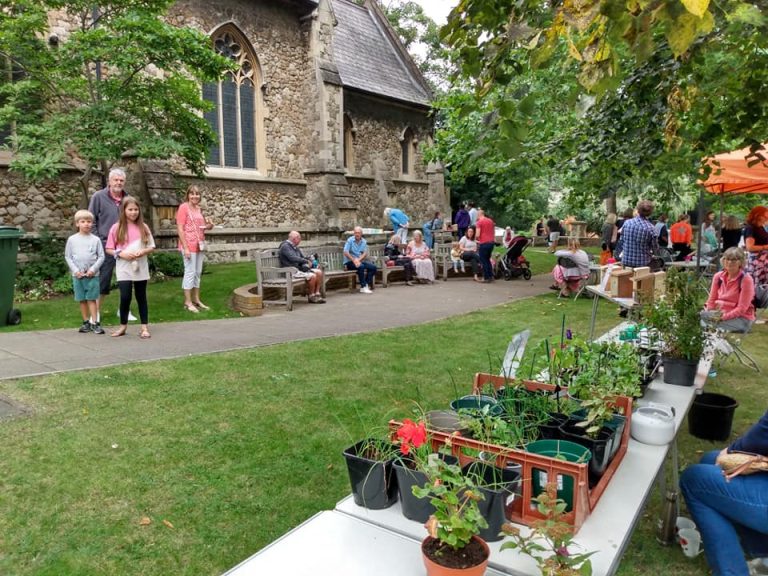
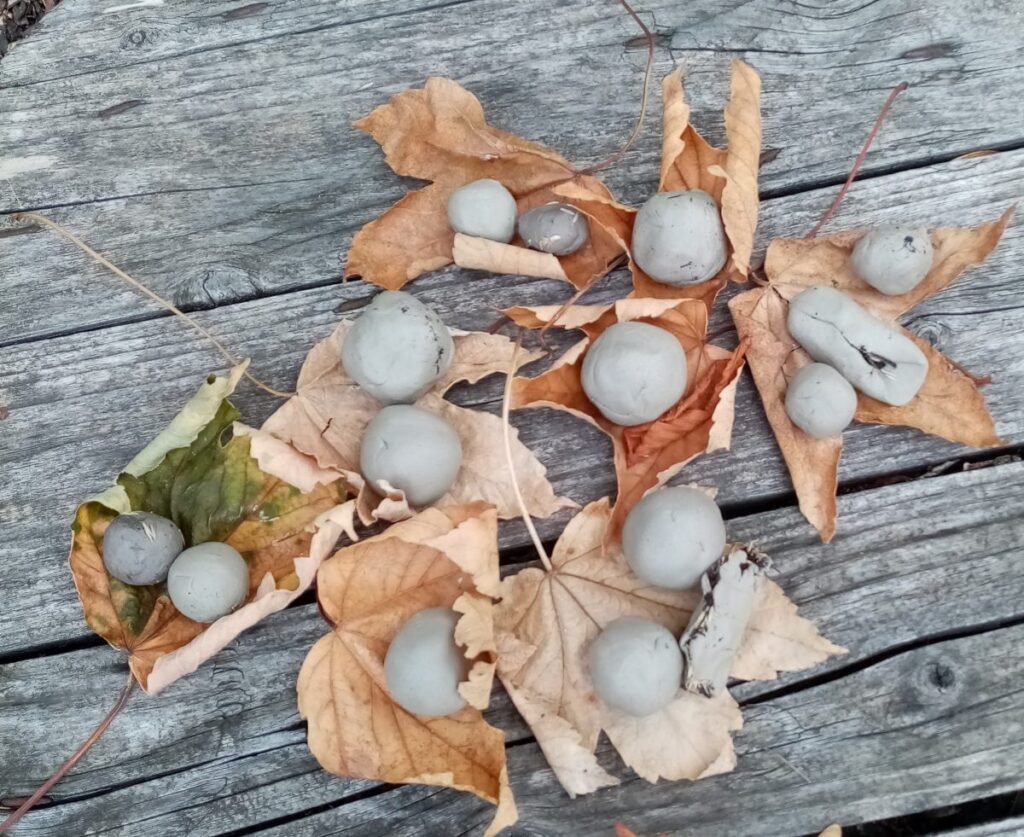
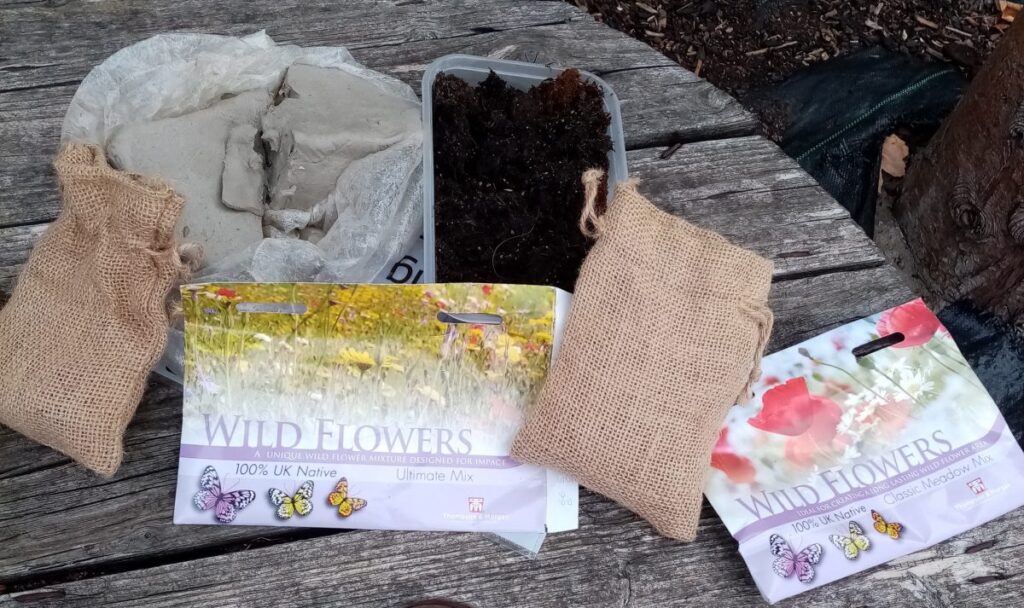
Our Eco Fair on Saturday 14th September was a great success, with approximately 170 – 175 visitors. Guest speakers from the Twickenham Repair Café, local Beekeepers’ Association and local wildlife expert Ben West joined with the St Paul’s Eco Church to help demonstrate and spread the word about sustainability and biodiversity to all who came. Outside, we built a bird feeding station for the church, made fat balls for birds’ winter feeding, wildflower seed bombs, and turned the compost in the Church Garden.
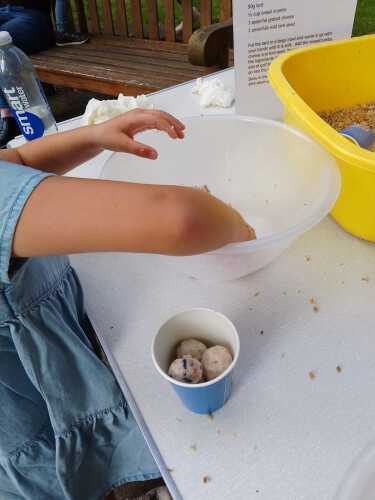
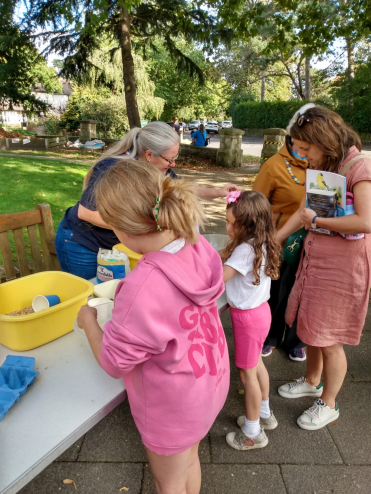
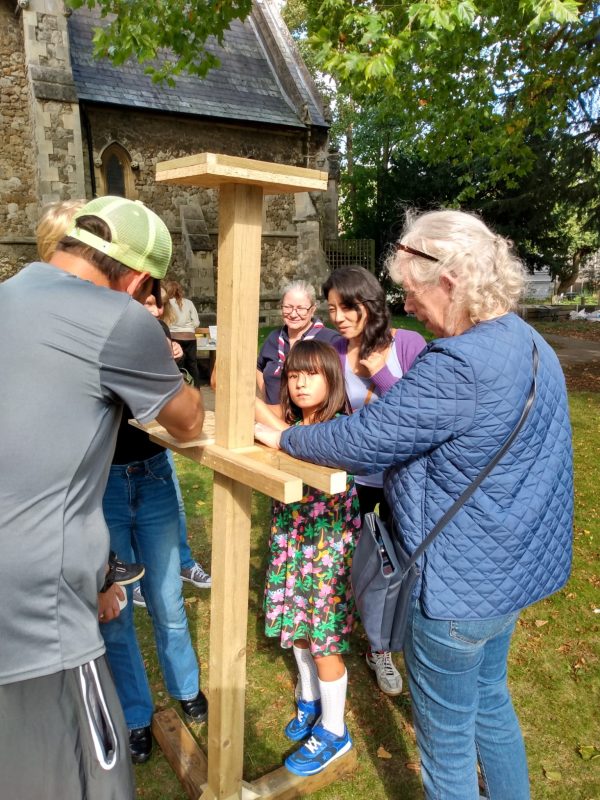
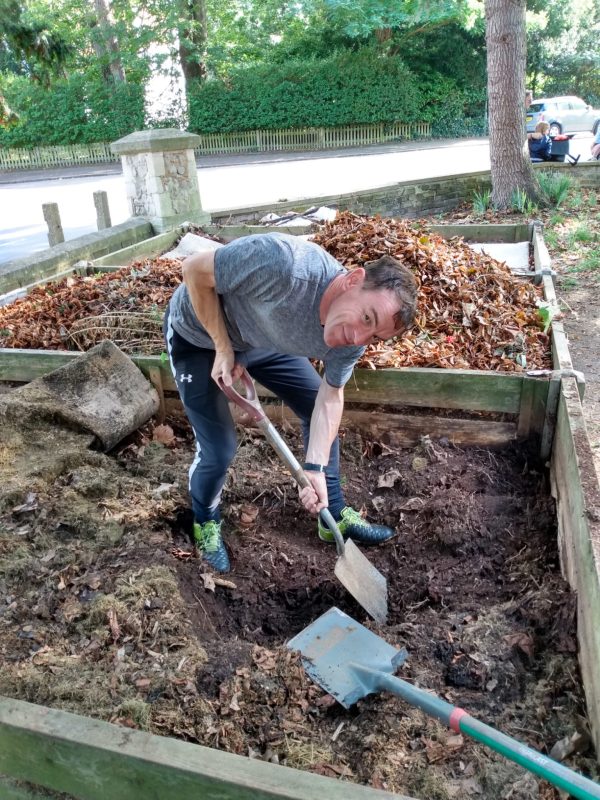
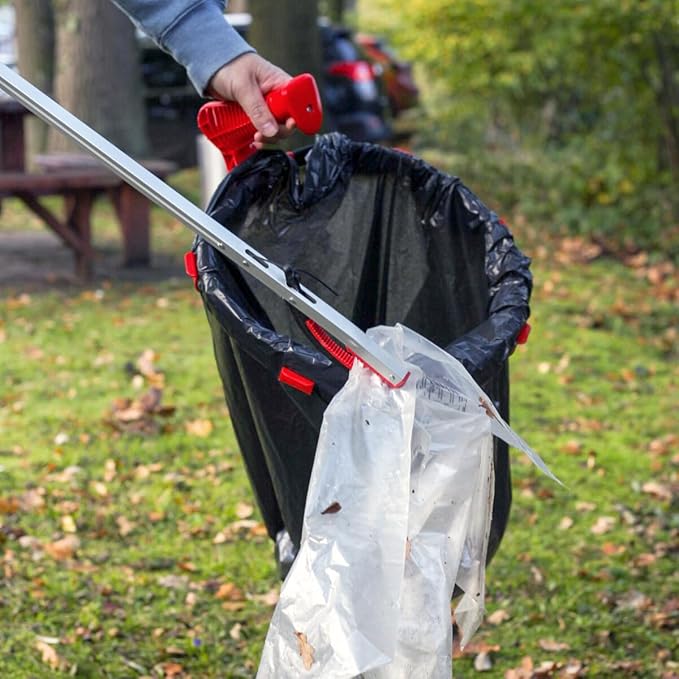
On Sunday morning at 8:30am, following the 10am church service, we held a litter pick.
Various people borrowed tongs & black bag holders and walked home from church gathering litter as they went.
St Paul’s Eco Afternoon Saturday 9th September 2023
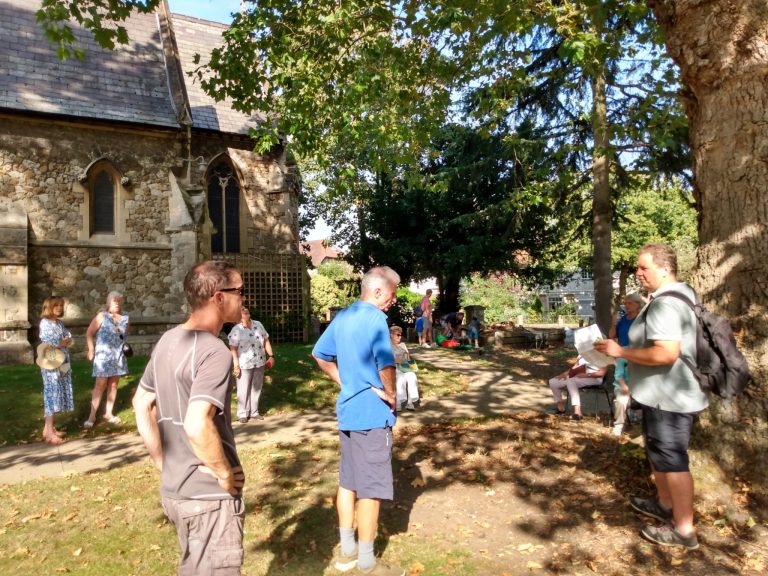
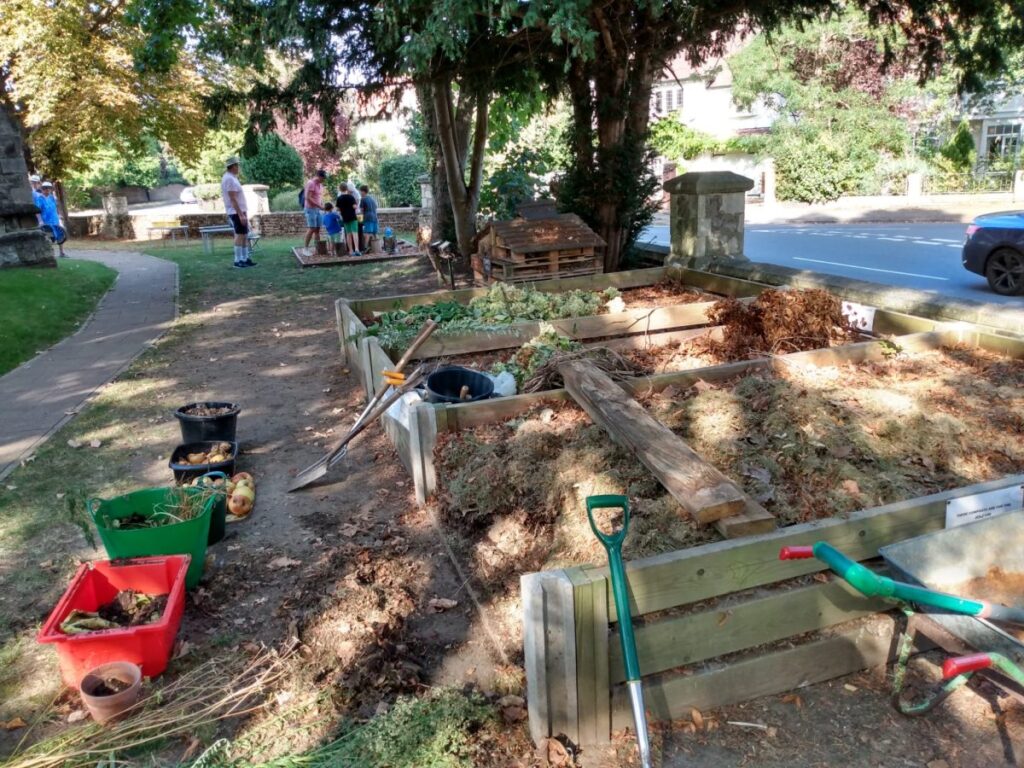
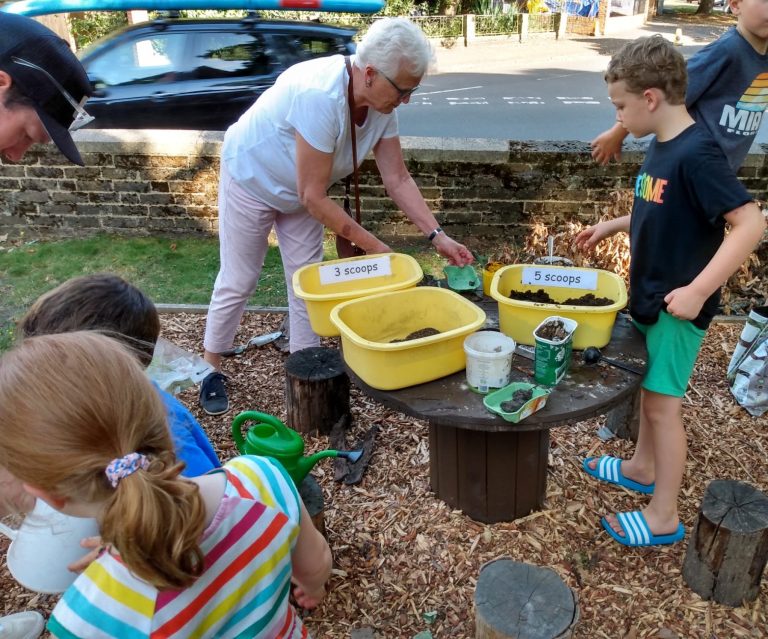
Braving the hot weather at our Eco Afternoon last weekend, we built a hedgehog house in the Vicarage Garden, had fun creating a really good compost heap for St Paul’s, and learned about the type, history and condition of most of the trees growing in the church garden.


Following on from last week’s Eco Church plant survey in the church garden, Spectrum conducted a fascinating survey of wildlife this morning. We looked in the Bug Hotel, our specially preserved wildflower area and some other parts of the garden.
These are the insect species which the children spotted:
Ants – 7
Beetles – 1
Butterflies – 2
Bees / Wasps – 3
Flies – 6
Bugs – 2
Spiders – 1
Slugs – 1
Ladybirds – 2
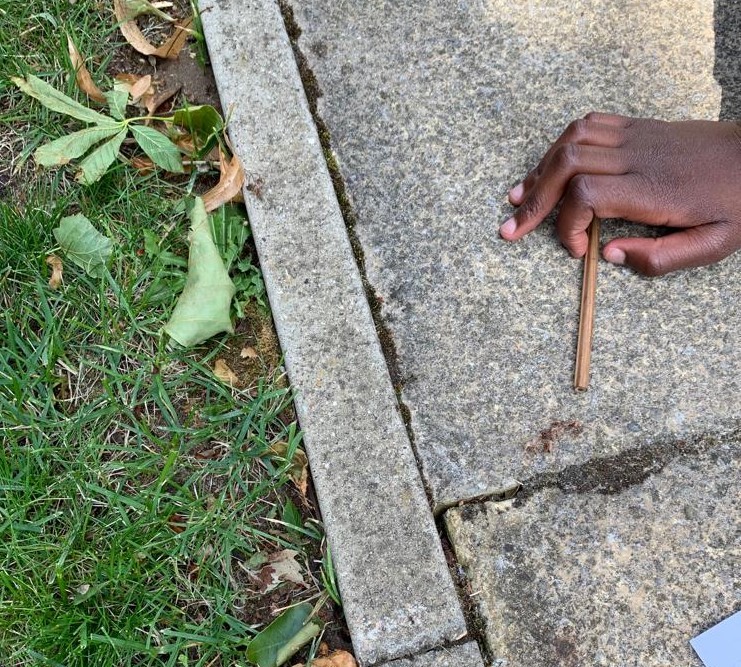
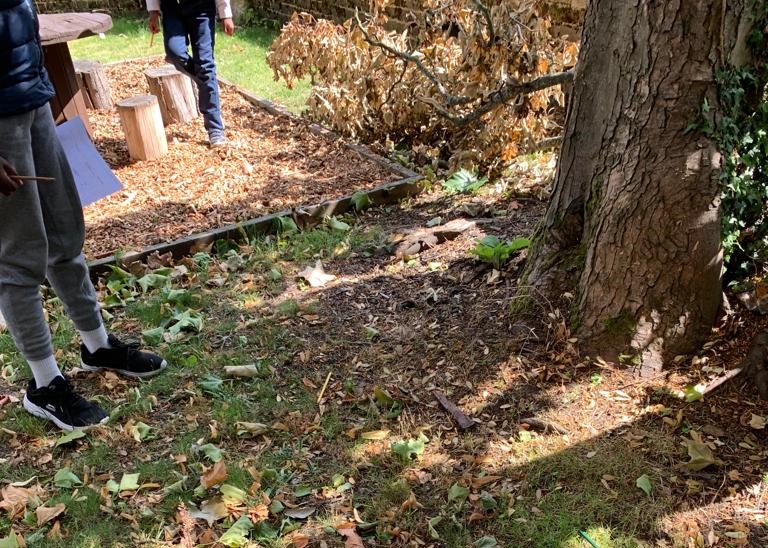
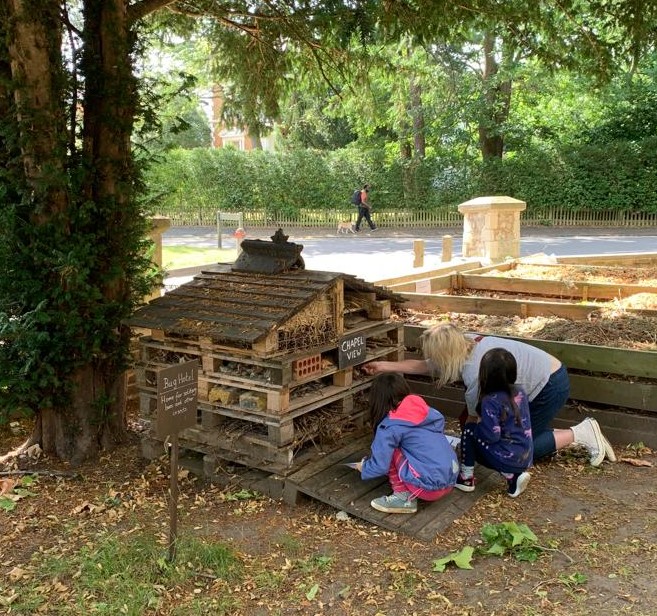
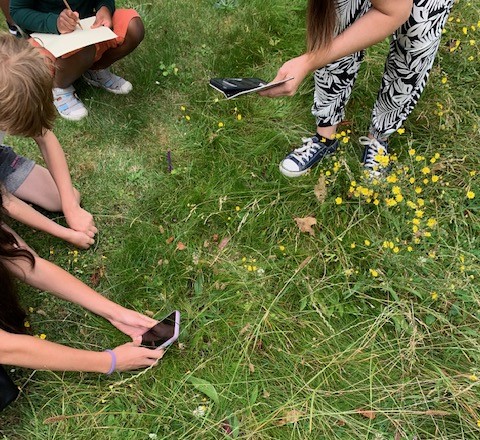
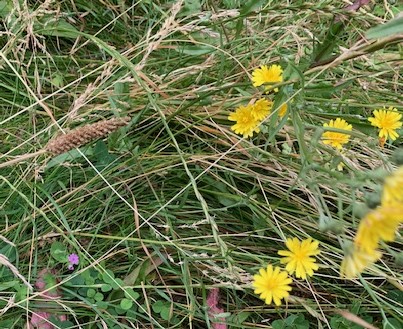
As part of our Eco Church initiative, the St Paul’s Sunday Club, Spectrum, have conducted a survey of plants growing in our ‘wilded’ area.
A one metre square analysis produced 11 different plants which the children were able to identify. These were:
Allium, Ribwort Plantain, Flatweed, Red Clover, Dandelion, Fern Leaf Cactus, Three Leaf Clover, Barclaya, Onion Grass, Cranesbill and Yarrow.
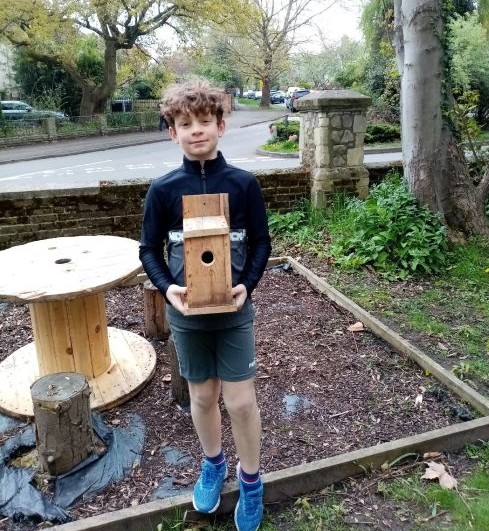
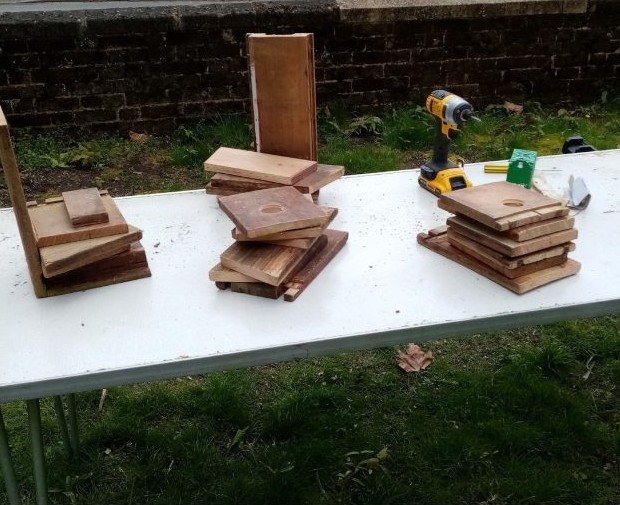
At our Earth Day Eco Afternoon on Saturday 22nd April 2023, we built a nesting box for the church garden.
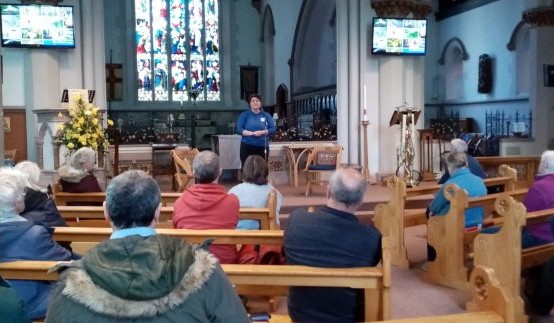
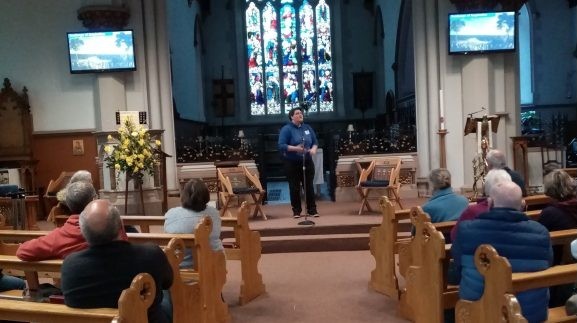
In church, Rebecca Kendrick from the Thames Landscape Strategy gave an informative talk on initiatives to rewild the Thames riverbank between Weybridge and Kew, including an explanation about tree maintenance and the need to mitigate future flooding along the Hurst Park Riverside.
Conservation:
We have reviewed our lawn mowing policy to encourage pollinators and native plants.

Thanks to everyone who helped to organise, contributed to or attended the
St Paul’s Eco Church Re-Wilding Forum on Saturday 3rd September 2022.
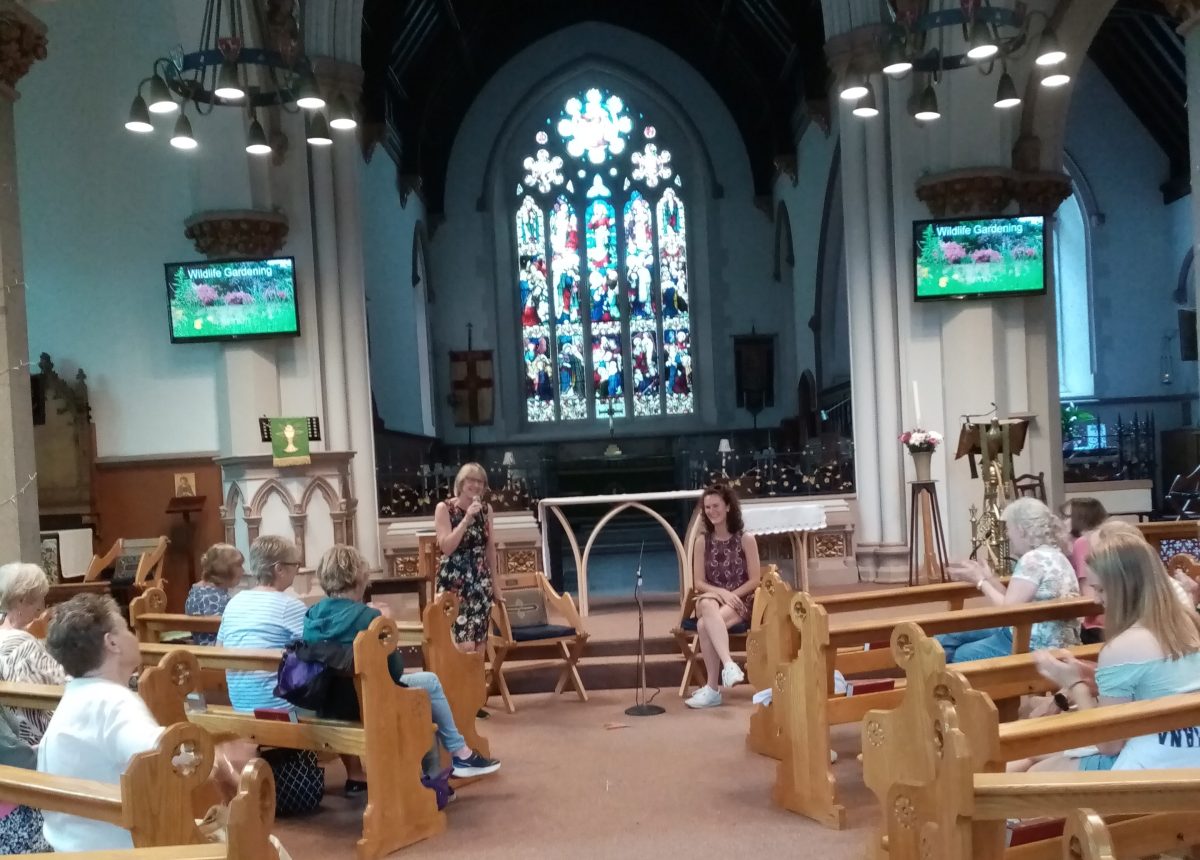
The talks, presentations and ensuing discussion about the way forward for St Paul’s Church and the wider locality made for an informative, thought provoking and interesting afternoon.
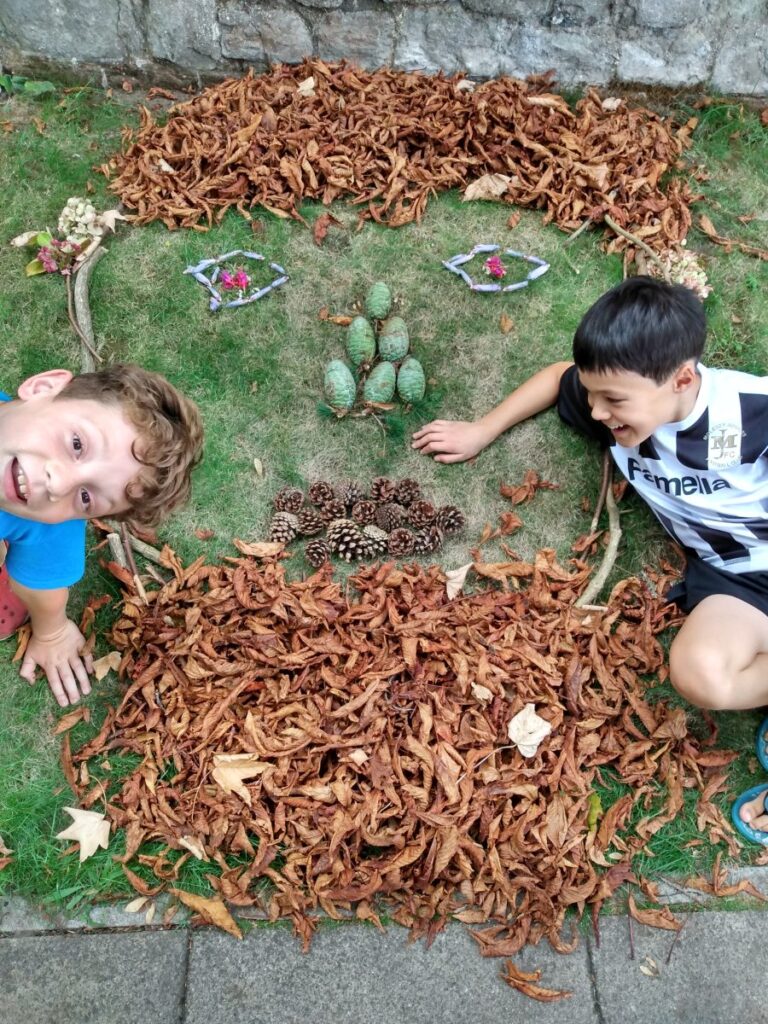
Activities for children in the church garden included artwork – creating an ‘Eco Warrior’ with natural articles found around the garden – and making Bee Bombs!
St Paul’s Eco Fair – 4th September 2021
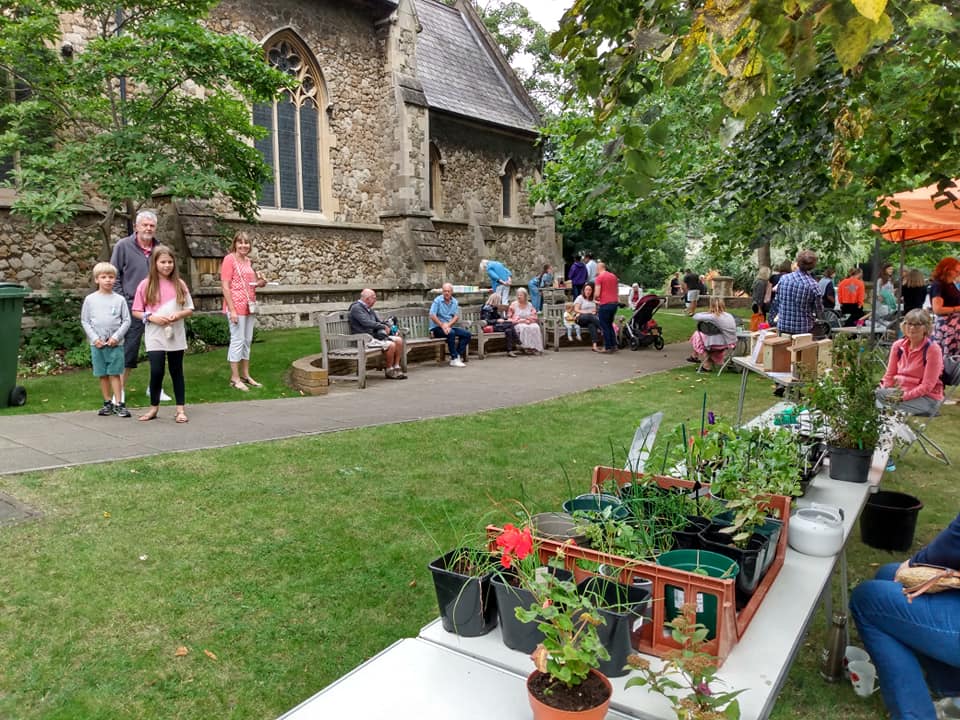
As part of the Love Molesey Eco weekend, St Pauls held an Eco Fair in the church garden; stalls included: vegan food (sweet and savoury), flowers and plants, and vegan make-up/toiletries.
Inside the church, we were given a fascinating talk with ppt display on hedgehogs by Joanne Gilbert from Wild Chiswick, Ben Phillips-Farmer gave a vegan cake-baking demo in the Parish Room, and at the back of the church we had workshops on Autumn Wreath-Making and building our own nesting boxes.
Find Us
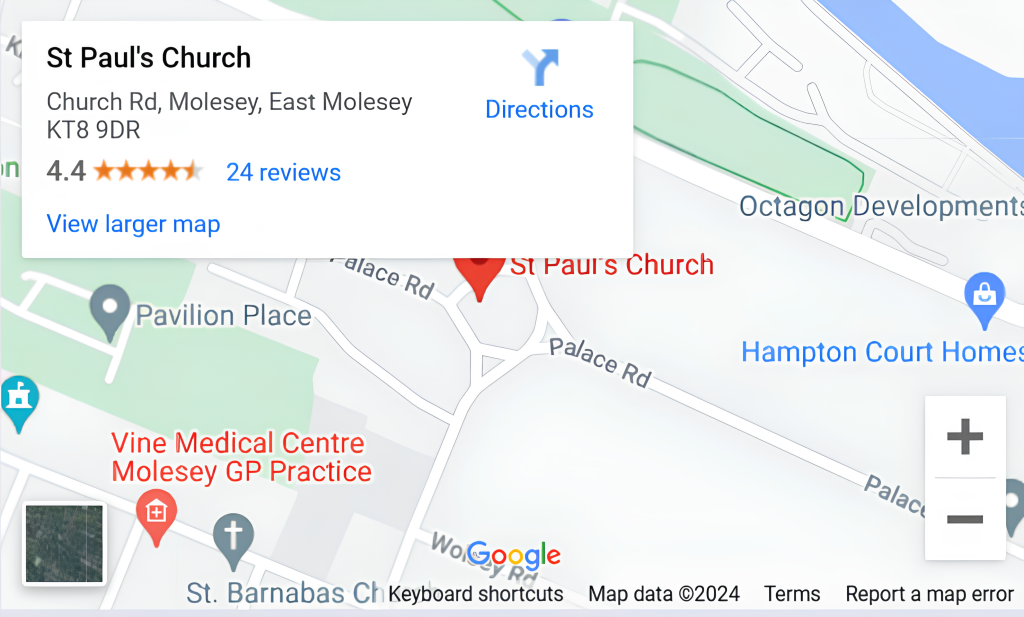
St Paul’s Church, Church Rd
East Molesey, KT8 9DR
020 8941 2071
Registered Charity 1127837
We are on the corner of Church and Palace Roads
Connect with Us
Email: info@stpaulmolesey.org.uk
Useful Links
Church of England
Diocese of Guildford
Thinking Anglicans
Our Mission Partners
St Paul’s gives a proportion of its income to support mission and charity.
Our current Mission Partners are: